In recent years, the demand of batteries grows from data centers, telecom operators, industrial facilities, substations and mission-critical applications, customers are increasingly looking for visibility, reliability, and long-term performance.
For battery manufacturers and distributors, integrating a Battery Monitoring System (BMS) is no longer a “nice-to-have”—it has become a key differentiator that directly enhances product value and competitiveness.

1. Extend Battery Life and Improve Performance Stability
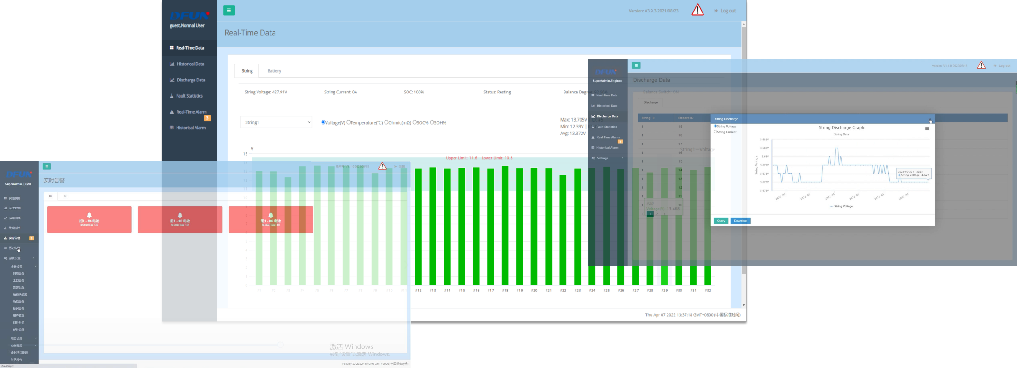
A modern Battery Monitoring System like DFUN BMS continuously monitors voltage, temperature, current, and internal resistance, ensuring that every battery operates within safe and optimal conditions.It also uses AI algorithms to accurately detect State of Charge (SOC) and State of Health (SOH), providing real-time insights into battery performance and lifespan.
To maintain stable system performance, the BMS sends alerts via system dashboards, email, or SMS, notifying users of any abnormal battery conditions. This allows timely maintenance or replacement of problematic cells, preventing performance degradation or unexpected downtime.
With accurate balancing and protection mechanisms, battery life can be significantly extended, especially in multi-string or multi-cell installations.
2. Reduce After-Sales Workload and Maintenance Costs
Traditionally, battery companies must send technicians on-site every few months to conduct manual inspections—checking voltage, internal resistance, and performing discharge tests. This process is costly, labor-intensive, and provides only periodic snapshots of battery health.
With a 24/7 Battery Monitoring System in place, the service model fundamentally changes. Instead of routine site visits, suppliers can shift to a condition-based maintenance approach, where field service is only required when the system indicates that certain batteries are reaching the end of their useful life or need professional intervention.
As a result, both service costs and downtime are significantly reduced, while customers receive a more proactive, data-driven maintenance experience.
3. Reduce Warranty Claims and After-Sales Disputes
A large percentage of battery failures stem from improper usage—overcharging, deep discharge, high temperature, or poor maintenance. Without monitoring, these are difficult to trace, often resulting in unnecessary warranty claims.
With a Battery Monitoring System, every cycle and anomaly is recorded and traceable.
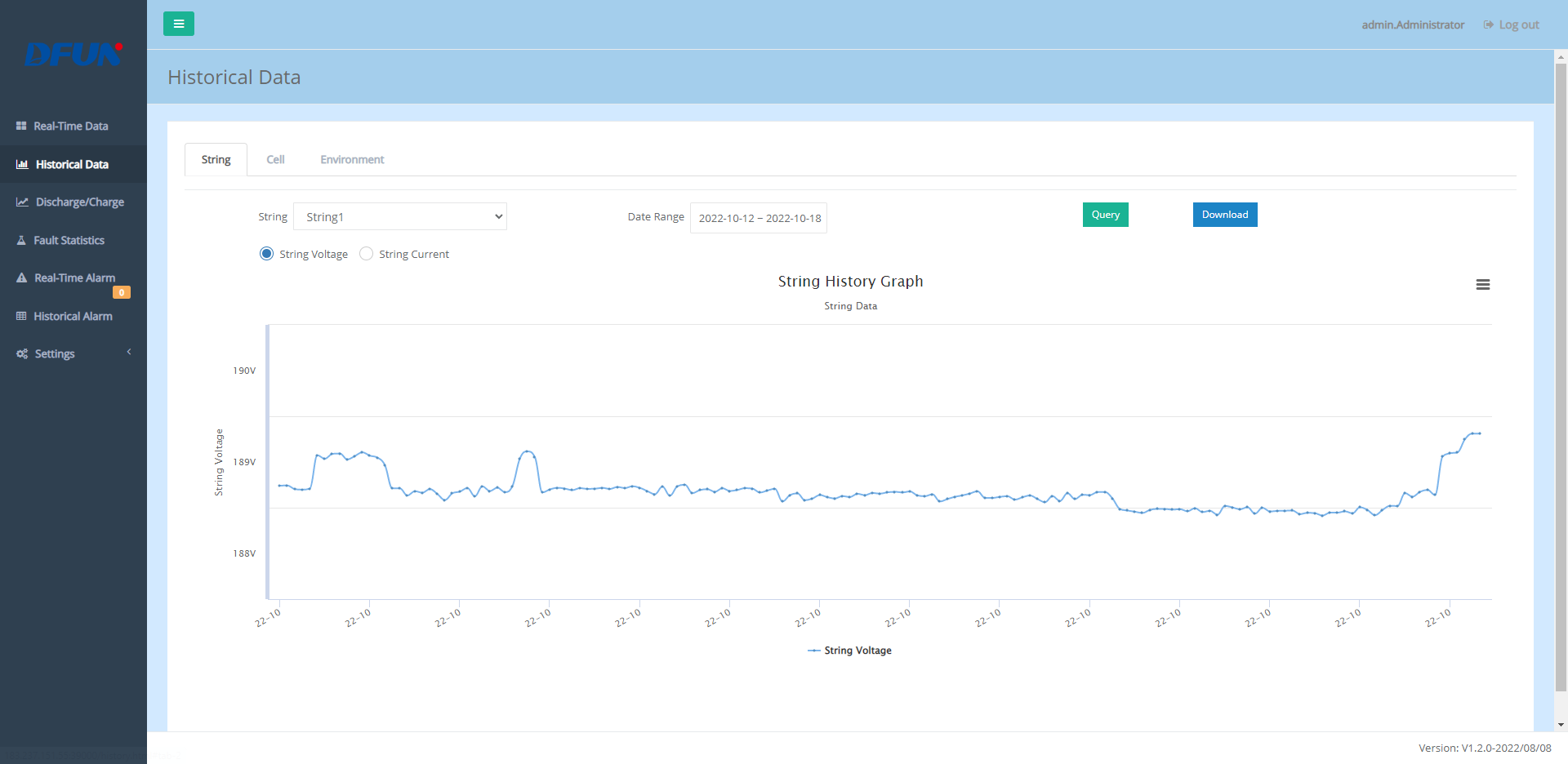
This allows:
Clear identification of user-induced problems
Faster failure analysis
Fewer disputes and returns
Significant savings on warranty cost
4. Increase Product Value and Strengthen Client Relationship
The battery market now is highly competitive and price-driven. By integrating a smart Battery Monitoring System, the product can be elevate to a higher tier.
For distributors, Battery Monitoring technology provides a strategic advantage by creating long-term engagement with clients. Since battery health monitoring spans several years, the continuous flow of performance data and maintenance insights naturally strengthens the long-term relationship between battery suppliers and end users.This ongoing visibility enables distributors to support customers throughout the entire battery lifecycle, strengthening trust, loyalty, and repeat business.
5. Meet the Requirements of High-End and Critical Applications
Many industries now require battery monitoring as part of their safety or compliance standards:
Data centers
Telecom base stations
UPS systems
Energy storage systems
Rail, metro, and airport infrastructure
Oil & gas and industrial facilities
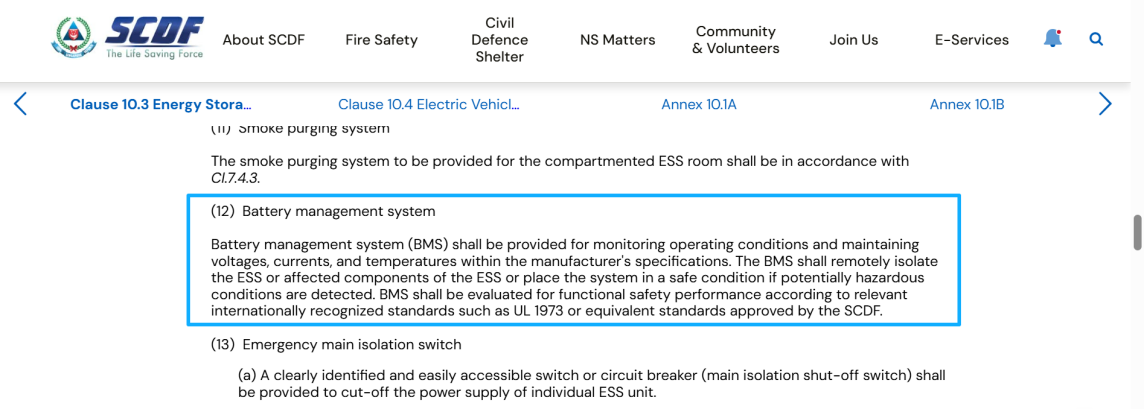
In markets such as Singapore, regulations go even further. Under the latest Singapore Fire Code, Energy Storage System (ESS) installations—including large battery banks commonly used in data centers—must be equipped with a BMS to monitor voltage, current, temperature, and other safety parameters.
Without a BMS, battery manufacturers and distributors may be unable to participate in these high-value projects or meet local regulatory requirements.
Conclusion
Integrating a Battery Management System is a strategic investment for any battery manufacturer or distributor. It enhances product reliability, reduces warranty costs, opens doors to high-end markets, and supports long-term customer relationships.
As the industry moves toward smart energy and digital infrastructure, BMS-enabled batteries are becoming the new standard.
FAQ About DFUN BMS
Q1: What battery types does DFUN BMS support?
A: DFUN BMS supports VRLA, Ni-Cd, and Flooded batteries. It provides cell-level SOC/SOH monitoring, Ni-Cd 1:1 monitoring, and electrolyte/leakage detection for Flooded batteries.
Q2: Is the data stored on a cloud platform?
A: No. All data is stored locally on the memory card inserted in the device, which supports up to 5 years of historical data storage.
Q3: Does the BMS support integration with third-party system?
A: Yes, DFUN BMS support Modbus, SNMP, MQTT and IEC61850 protocols.
Q4: How do I access the system? Do I need to pay for a software license?
A: The system is an integrated web-based platform that comes with the device. After configuring the network address and connecting via Ethernet, you can access it via a computer or laptop, or optionally use the HMI, which we can pre-install in the cabinet provided with the system. No additional software license is required.

 Русский
  Español
  Deutsch
  简体中文
简体中文  ไทย
ไทย  Français
  English
  Português
  italiano
  Bahasa Melayu
  हिन्दी
  Tiếng Việt
  日本語
日本語  한국어
한국어  বাংলা
বাংলা  עברית
עברית  Latine
  Nederlands
  українська
  தமிழ்
தமிழ்  Polski
  Türkçe
  ພາສາລາວ
  ភាសាខ្មែរ
  ဗမာစာ
ဗမာစာ  Filipino
  Suomi
Suomi  Ελληνικά
  Svenska
  Norsk
Norsk  magyar
  Română
  Čeština
  Монгол
  қазақ
қазақ  Српски
  فارسی
فارسی  Kiswahili
  Slovenčina
  Slovenščina
  Հայերեն
  Dansk
Dansk  اردو
اردو  Shqip
Shqip  Hrvatski
  Afrikaans
  Gaeilge
  Eesti keel
  Māori
Māori  සිංහල
සිංහල  नेपाली
  Oʻzbekcha
  latviešu
  অসমীয়া
  Aymara
  Azərbaycan dili
  Bamanankan
  አማርኛ
አማርኛ  Euskara
  Беларуская мова
  भोजपुरी
  Bosanski
  Български
  Català
  Cebuano
  Corsu
Corsu  ދިވެހި
  डोग्रिड ने दी
  Esperanto
  Eʋegbe
  Frysk
Frysk  Galego
  ქართული
  guarani
  ગુજરાતી
  Kreyòl ayisyen
  Hausa
Hausa  ʻŌlelo Hawaiʻi
  Hmoob
Hmoob  íslenska
  Igbo
Igbo  Ilocano
  Basa Jawa
  ಕನ್ನಡ
ಕನ್ನಡ  Kinyarwanda
  गोंगेन हें नांव
  Krio we dɛn kɔl Krio
  Kurdî
Kurdî  Kurdî
Kurdî  Кыргызча
  Lingala
  Lietuvių
  Oluganda
  Lëtzebuergesch
  Македонски
  मैथिली
  Malagasy
  മലയാളം
  Malti
Malti  मराठी
मराठी  ꯃꯦꯇꯥꯏ (ꯃꯅꯤꯄꯨꯔꯤ) ꯴.
  Mizo tawng
  Chichewa
  ଓଡ଼ିଆ
ଓଡ଼ିଆ  Afaan Oromoo
  پښتو
پښتو  ਪੰਜਾਬੀ
  Runasimi
  Gagana Samoa
  संस्कृत
  Gaelo Albannach
  Sepeti
  Sesotho
  chiShona
  سنڌي
سنڌي  Soomaali
  Basa Sunda
  Wikang Tagalog
  Тоҷикӣ
  Татарча
  తెలుగు
  ትግንያውያን
  Xitsonga
  Türkmençe
  संस्कृत
  ئۇيغۇرچە
  Cymraeg
  ייִדיש
  Yorùbá
  isiZulu