Real-time Battery Monitoring Systems For Critical Power
Real‑time Battery BMS and AI analytics – designed to revent failures and reduce O&M costs.
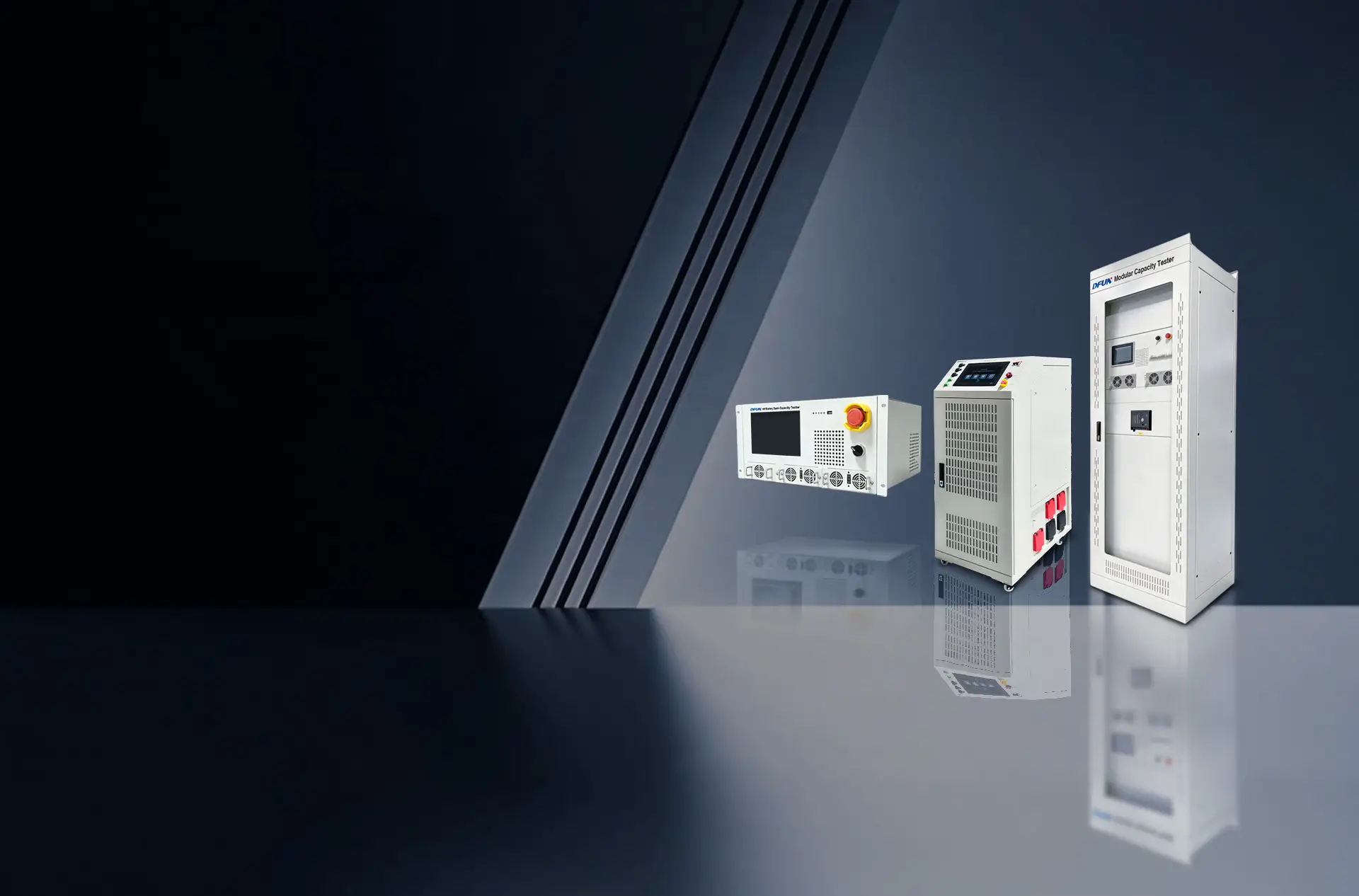
Smart Battery Capacity Testing For Reliable Backup Power
Remote online battery capacity monitoring—simple to operate, easy to maintain, and cost-effective.
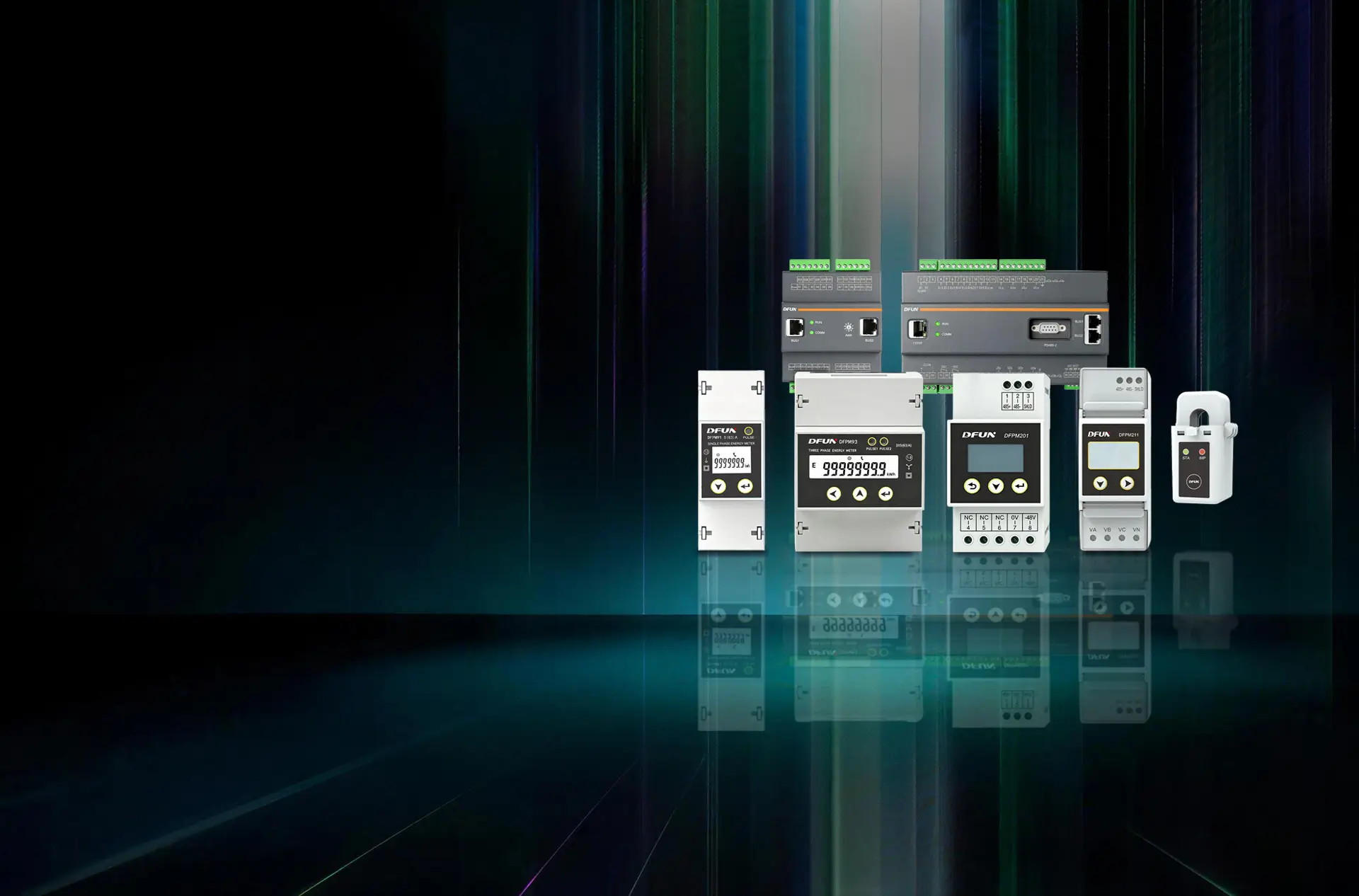
Smart Power & Energy Monitoring For Efficient Operations
High-accuracy energy metering and multi-circuit monitoring Solutions.
Battery Monitoring Solution & Products
End-to-end solutuion for battery BMS, testing and energy management.

Real-time monitoring for VRLA, Ni-Cd and Lithium-ion batteries BMS.
Battery Monitoring Systems


Intelligent lithium-ion battery energy storage system with BMS
48V Smart Lithium-ion Battery

Battery Monitoring Solutions by Industry


About DFUN
Our Advantages
1,000,000 +
BMS Units Annual Delivery
10+
Years Industry Experience
50% +
R&D Engineers
7*24 Hours Service
Have an excellent after-sales service team to ensure that the first time to solve customer after-sales problems.
Global Layout
With 80+ country presence and ISO certifications, DFUN delivers
partner training, local response.
Technical Support
Prompt assistance and efficient issue
resolution wherever our products are deployed.

DFUN Support
DFUN offers critical infrastructure technologies and rapidly-deployable customized solutions to meet specific business requirements and needs.
Talk to a DFUN Specialist
Need help selecting the right battery monitoring or testing solution? Contact DFUN for expert consultation, technical clarification, and project-specific recommendations.
E-mail:info@dfuntech.com
Phone:+86-756-6123188
Mob:+86-15919182362
WhatsApp:+86 15919182362
Case Study
-
 Railway battery monitoring system ensures reliable backup power for rail transit. Learn how DFUN BMS monitors voltage, internal resistance, temperature, SOC/SOH, with case studies from Thailand Skyline and Hong Kong MTR.
 -
 Internal resistance is one of the most reliable early indicators of VRLA battery health, but there's no single universal number that tells you when to replace a battery — the reading only means something against the cell's own baseline. This article breaks down the 50%-above-baseline replacement rule, the 20–30% cell-to-cell deviation check for spotting a lagging unit, and why a sudden jump in resistance matters more than a high absolute value. It also covers why resistance alone isn't enough — pairing it with float voltage checks, capacity discharge testing, and visual inspection — and how DFUN's integrated battery monitoring and capacity testing platform automates threshold tracking across an entire string.
 -
 Hospital backup batteries can degrade gradually and go unnoticed between manual inspections. This article explains the key maintenance challenges and how DFUN BMS's continuous per-battery and string-level monitoring — covering voltage, temperature, internal resistance, SOC and SOH — helps hospitals catch weak batteries early, illustrated with a real deployment case at a German hospital.