What is a Battery Monitoring System (BMS)?
A Battery Monitoring System (BMS) is an intelligent platform designed to continuously monitor, analyze, and protect battery systems used in mission-critical environments. A high-quality BMS—DFUN Battery Monitoring System—tracks battery performance in real time at both string level and individual cell level, helping organizations prevent failures, extend battery lifespan, and maintain power reliability.
The system measures key parameters such as voltage, current, temperature, internal resistance (IR), ripple, SOC (State of Charge), SOH (State of Health), and SOP (State of Power). With built-in predictive alarms, trend analysis, and advanced thermal, over-charge, and over-discharge protection, the BMS identifies early signs of battery deterioration before it affects critical operations.
Designed for multi-chemistry compatibility, it supports VRLA (Valve-Regulated Lead Acid), Flooded lead-acid, Nickel-Cadmium (Ni-Cd), and Lithium-ion batteries. It seamlessly integrates into data centers, telecom base stations, substations, railways, electric vehicles, renewable energy storage, and industrial power systems, making it an all-in-one solution for modern power infrastructure.
With active cell balancing, centralized data recording, and remote online access, the DFUN BMS improves operational efficiency, reduces maintenance costs, and ensures maximum uptime—making it a trusted choice for enterprises seeking reliable and intelligent battery management.

With DFUN BMS, enterprises can:

Prevent hidden battery failures and thermal runaway risks
Improve UPS and telecom network reliability, reducing downtime
Extend battery life and reduce replacement & maintenance costs (TCO)
Seamlessly integrate with SCADA and power automation platforms
Common Battery Problems in UPS Systems

Performance Degradation
Capacity loss: actual capacity lower than rated
Rising internal resistance: reduced discharge efficiency due to aging/sulfation
Float charge imbalance: inconsistent voltages reduce overall lifespan
Difficulty in assessing SOC/SOH accurately

Electrical Faults
Overcharge/discharge: causing water loss, plate deformation, or thermal runaway
Short circuits or leakage: leading to UPS shutdowns or fires
High contact resistance: loose/corroded terminals cause heating and energy loss
Single-cell failures: drag down the entire battery string
Environmental & Safety Risks
High temperature or uneven cooling: speeds up degradation and causes imbalance.
Hydrogen gas buildup: poses explosion risk without proper monitoring and ventilation.
Electrolyte leaks: lead to corrosion, safety hazards, and environmental problems.
Fire risk from thermal runaway chain reactions.
Maintenance & Management Issues
Manual inspections are inefficient and error-prone
UPS native monitoring is often limited to string-level only
Difficult to pinpoint failing cells quickly
Lack of predictive maintenance and lifecycle management
Battery Bank Reality and the “Weakest Cell Effect”
Cell-level issues cause voltage imbalance and cascading failures.
Battery string performance depends on the weakest cell.
A few failing cells can greatly reduce backup time and lifespan.
Voltage & capacity imbalance: amplified after long-term float charging
Temperature imbalance: uneven heat distribution accelerates aging
Charge/discharge imbalance: uneven current distribution damages consistency
Shortened UPS backup time, increasing risk for critical loads
Higher replacement frequency and rising O&M costs
Increased risks of over-discharge and thermal runaway

DFUN BMS vs Traditional Battery Management
DFUN BMS provides full lifecycle management across VRLA, Ni-Cd, and Flooded batteries—capabilities beyond manual inspection or traditional UPS BMS.
| Item | DFUN BMS | Human Maintenance | UPS BMS |
| String SOC monitoring | Yes | Random/inefficient | Real-time |
| Cell SOC monitoring | Yes | Random/inefficient | No |
| Cell SOH monitoring | Yes | Random/inefficient | No |
| Alarms & records | Real-time, complete, traceable | Fragmented, unreliable | Limited |
| Maintenance reports | Auto-generated | Available but inefficient | Not supported |
| Fault cell pinpointing | Yes | No | No |
| Battery balancing | Yes | No | No |
| Replacement alerts | Yes | No | No |
| Ni-Cd 1:1 cell monitoring | Yes | No | No |
| Flooded battery electrolyte & leakage monitoring | Yes | No | No |
Why Choose DFUN BMS?

Comprehensive Coverage:
Supports VRLA, Ni-Cd, and Flooded batteries at both string and cell level
Smart & Predictive:
AI-powered algorithms detect risks in advance
Safety Compliance:
IP65 waterproofing and UL94 fireproof standards for hazardous industries
Extended Monitoring:
Integrates environment temperature & humidity sensors, hydrogen gas detectors, ground fault monitors, and DC leakage sensors—covering environment, gas, safety, and leakage risks
High ROI:
Extends battery lifespan by 20–30%, reducing total cost of ownership
Cross-Industry Applications:
Telecom, data centers, power utilities, railways, substations, chemical plants, oil & gas, metallurgy


DFUN BMS Key Features


Trend modeling and health index evaluation
Predictive alerts optimize replacement cycles and reduce TCO

Detects and corrects imbalance automatically
Extends battery lifespan by solving the “weakest cell effect”


Applications of DFUN Battery Monitoring System (BMS)

Telecom Battery Monitoring System
Seamless integration for continuous telecom operation
Extends VRLA battery life, reduces outage risks
Designed for remote base stations
Applications:
Telecom stations, remote cell sites, small-scale networks
Industries Solution

Data Center Battery Monitoring System
Prevents hidden cell-level failures
Predictive alarms reduce fire risks
Optimized energy efficiency, lower replacement costs
Dual power redundancy ensures zero downtime
Applications:
Data centers, financial facilities, cloud infrastructure
Industries Solution

Energy Storage Battery Monitoring System
99.5% availability under high-voltage, vibration environments
40% faster fault response and reduced emergency repair time
Supports Ni-Cd 1:1 cell monitoring
Supports Flooded battery electrolyte & leakage monitoring
Applications:
Power utilities, railway locomotives, grid control centers
Industries Solution

Oil & Gas Battery Monitoring System
Reduces explosion risks in petrochemical environments
IP65 waterproofing + UL94 fireproofing for maximum safety
Corrosion-resistant design for long-term reliability
Supports Ni-Cd 1:1 cell monitoring
Applications:
Substations, chemical plants, oil & gas, metallurgy
Industries Solution
Product Center


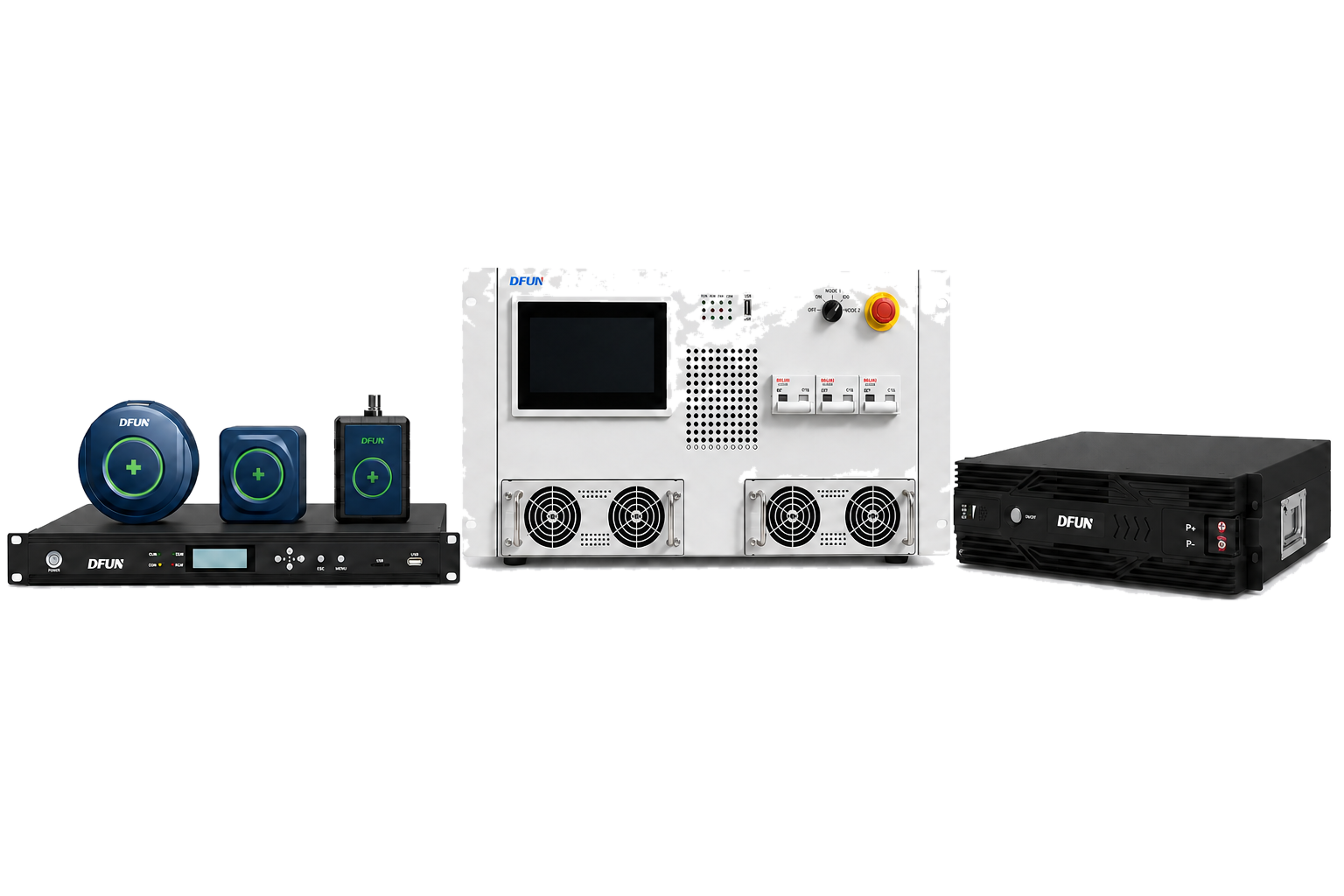
PBAT Series – Cell-Level Monitoring Modules (PBAT51 / PBAT61 / PBAT71 / PBAT81)
| Model | Positioning | Key Features | Recommended Applications |
| PBAT51 | Entry-level | Voltage, current, temperature, resistance monitoring with SOC/SOH | Data centers, small telecom rooms |
| PBAT61 | Standard | Voltage, current, temperature, resistance monitoring with SOC/SOH | UPS rooms, medium telecom stations |
| PBAT71 | Industrial Enhanced | Full parameters + Flooded battery electrolyte & leakage detection | Power systems, railways, flooded battery applications |
| PBAT81 | High-Protection | Fireproof + waterproof design (UL94 / IP65) | Chemical plants, oil & gas, metallurgy |

FAQ
Q1: What is a battery monitoring system (BMS)?
A: A Battery Monitoring System (BMS) is an intelligent platform that continuously tracks key battery parameters – such as voltage, internal resistance, temperature, SOC (State of Charge), and SOH (State of Health) – for every cell in a battery string.
Q2: What is the difference between string-level and cell-level monitoring?
Q3: Why is a Battery Monitoring System necessary for UPS systems?
Q4: What battery types does DFUN BMS support?
Q5: What industries use DFUN BMS?
Related Blogs
-
 In the era of intelligent technology, Battery Monitoring Systems (BMS) and Building Management Systems (BMS) are both critical for efficient operations, yet their core functionalities differ significantly. As a professional Battery Monitoring System (BMS) provider, DFUN clarifies these distinctionsValue Article
 -
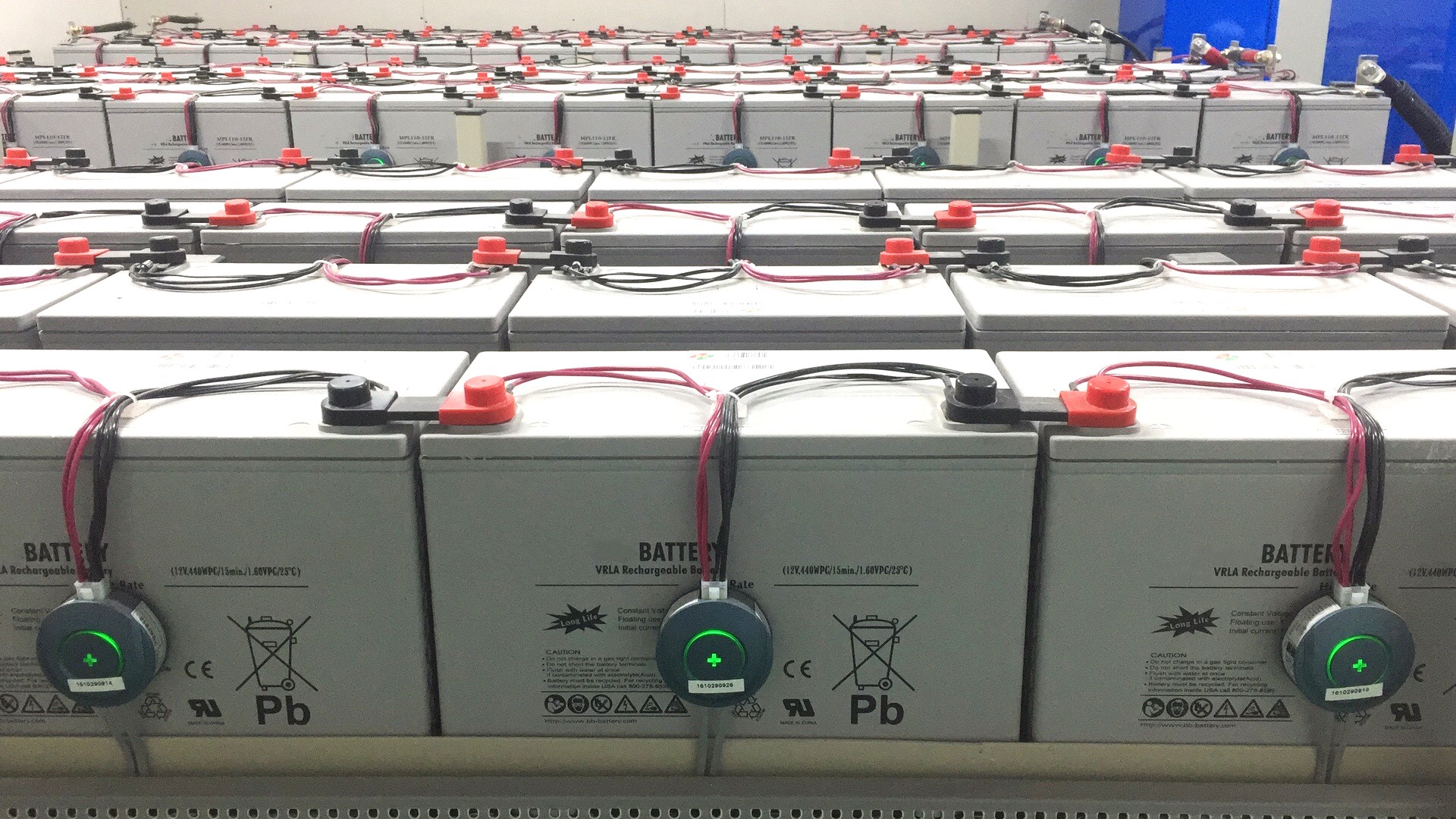 In the field of battery management, DFUN stands out with its all-scenario adaptable sensor and intelligent system. Its products have been widely applied in data centers, transportation, and energy sectors. Here's an in-depth look at the core product highlights: DFUN Sensor: Precisely Matched to BattValue Article

Keep In Touch With Us
Stay connected with us to get the latest updates on the DFUN Battery Monitoring System, technical insights, and tailored solutions for your needs. We’re always here to listen and assist.
Mob:+86-15919182362
E-mail:info@dfuntech.com